Top 5 Flavored Mojito Recipes
Mojitos are refreshing and vibrant cocktails that are perfect for any occasion. They are traditionally made with rum, mint leaves, lime juice, sugar, and soda water. But why stick to the classic when you can experiment with different flavors and take your Mojito experience to the next level? Here are our top 5 flavored Mojito recipes that will tantalize your taste buds and impress your guests:
-
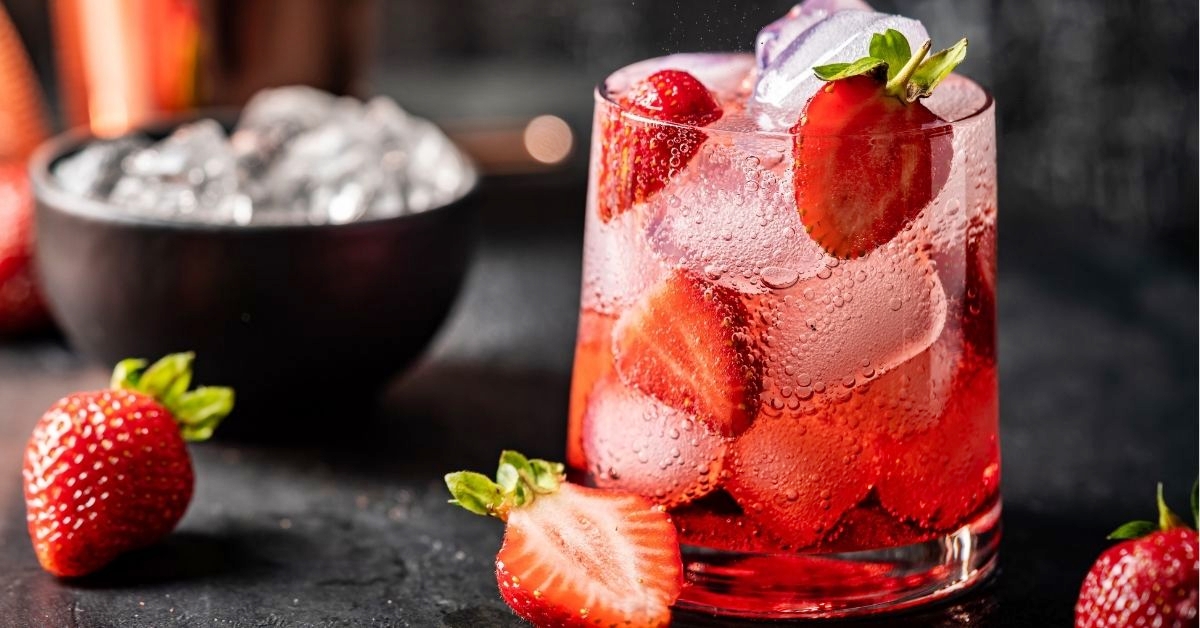
Strawberry Basil Mojito
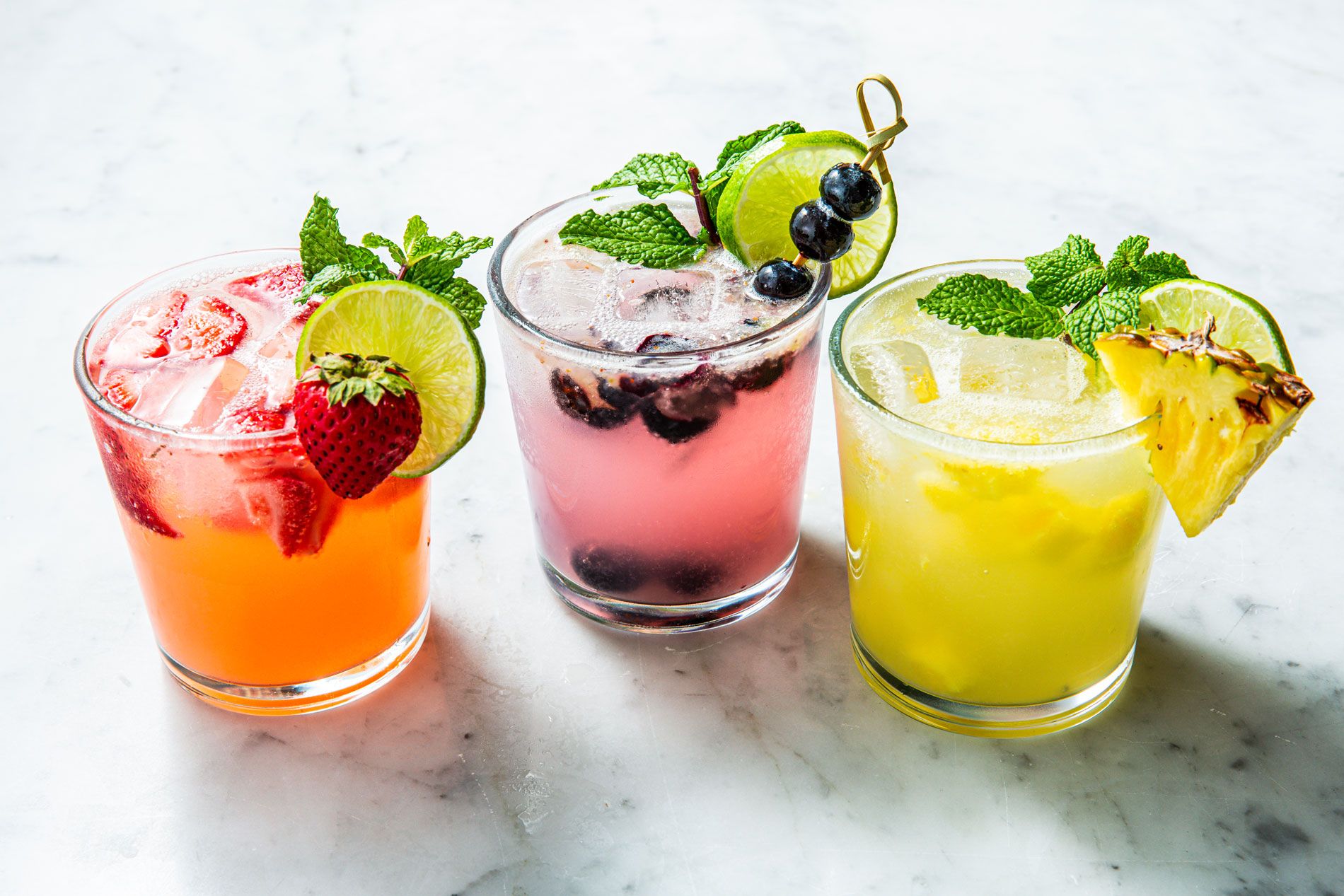
This twist on the classic Mojito adds a fruity and herbaceous flavor to the mix. To make it, muddle fresh strawberries and basil leaves with lime juice and sugar. Add rum, ice, and soda water, then garnish with a strawberry and basil sprig. The result is a refreshing cocktail with a delightful combination of sweet and earthy notes.
-
Watermelon Mint Mojito
This Mojito variation is perfect for a hot summer day. Blend fresh watermelon chunks and strain the juice. Muddle mint leaves with lime juice and sugar, then add the watermelon juice and rum. Pour over ice, top with soda water, and garnish with a watermelon wedge and mint sprig. The result is a cooling and juicy cocktail with a hint of minty freshness.
-
Coconut Pineapple Mojito
Transport yourself to a tropical paradise with this delightful Mojito recipe. Muddle mint leaves with lime juice and sugar, then add coconut rum and pineapple juice. Shake well and strain into a glass filled with ice. Top with soda water and garnish with a pineapple wedge and mint sprig. The combination of coconut and pineapple flavors perfectly complements the classic Mojito base.
-
Cucumber Jalapeno Mojito
Add a spicy kick to your Mojito with this unique flavor combination. Muddle cucumber slices, jalapeno pepper (seeds removed), and lime juice with sugar. Add rum, ice, and soda water, then garnish with a cucumber slice and jalapeno ring. The result is a refreshing and spicy cocktail that will awaken your taste buds.
-
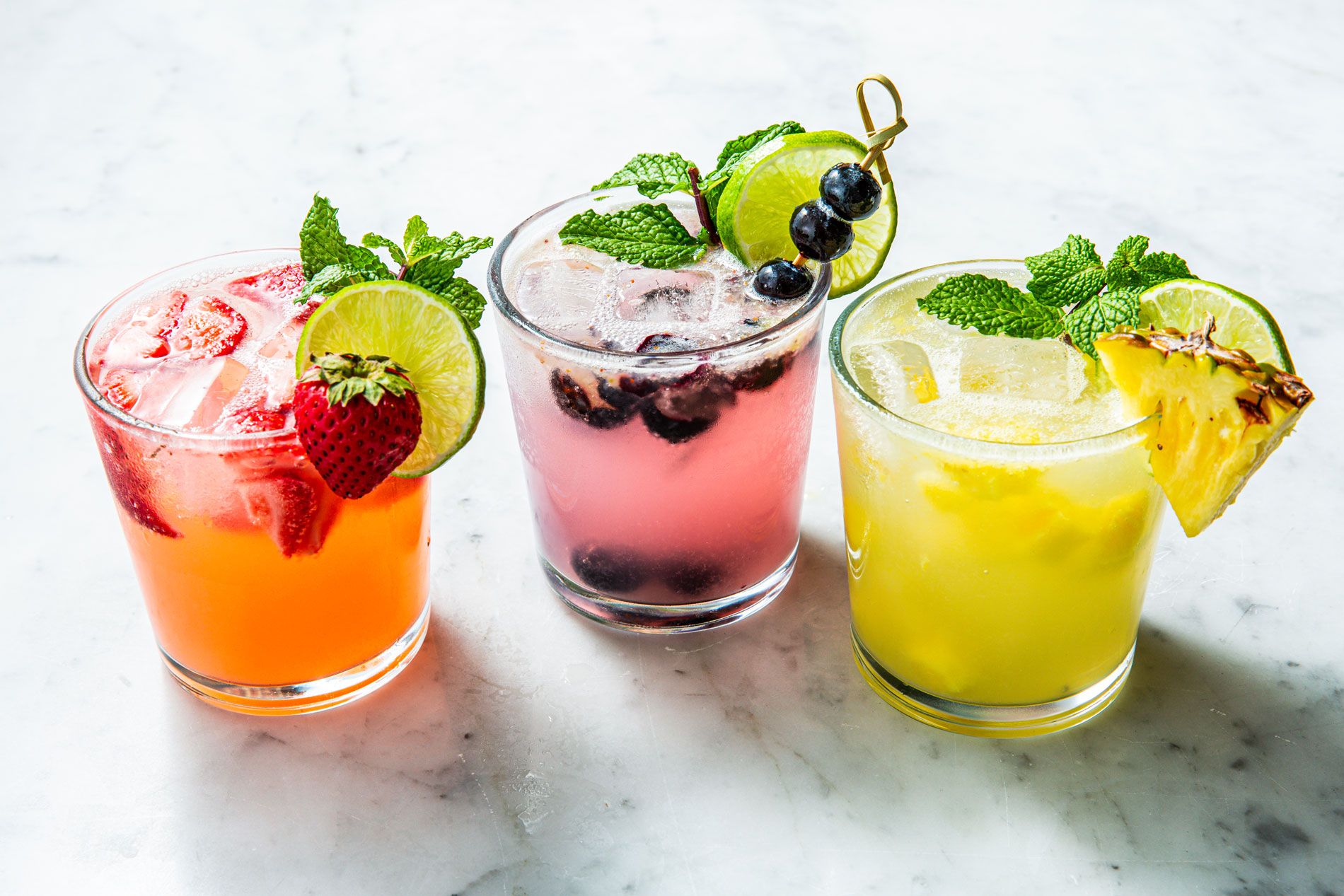
Blueberry Basil Mojito
This Mojito variation brings together the sweetness of blueberries and the herbal freshness of basil. Muddle blueberries and basil leaves with lime juice and sugar. Add rum, ice, and soda water, then garnish with a few blueberries and a basil sprig. The combination of flavors creates a beautifully balanced and visually stunning cocktail.
Whether you’re hosting a summer soirée or simply want to enjoy a refreshing drink, these flavored Mojito recipes offer a twist on the classic cocktail. Get creative in the kitchen and experiment with different flavors to find your perfect Mojito combination. Cheers!
Was this page helpful?
Related Articles